Part I: The Neuro-Nutritional Landscape and the Case for “2.0”
Introduction: Beyond Caloric Control
The brain is metabolically expensive and chronically undernourished by modern diets. While the original MIND diet significantly reduced Alzheimer’s risk, MIND Diet 2.0 advances the framework by introducing functional superfoods — Spirulina, Lion’s Mane, and Ganoderma — designed not merely to protect neurons, but to actively build neuroplasticity and serotonergic capacity.
Rather than focusing solely on caloric restriction or macronutrient balance, this upgrade emphasizes biochemical leverage points that directly influence mood, cognition, and long-term brain resilience.
The Biochemistry of Serotonin: Manufacturing Happiness
Serotonin synthesis is a tightly regulated biochemical process that depends on:
- Adequate dietary tryptophan
- Efficient transport across the blood–brain barrier
- Minimal diversion into the kynurenine pathway via inflammation-driven IDO activation
MIND Diet 2.0 applies three key tactics:
- The Carbohydrate Key — using complex carbohydrates to increase the tryptophan-to-LNAA ratio
- Inflammation control — reducing IDO activation through anti-inflammatory foods
- Microbiome support — feeding gut bacteria that assist neurotransmitter production with prebiotic fibers and mineral cofactors (B6, B12, zinc, magnesium)
Serotonin Pathway Optimization (Summary)
- Insulin secretion
Clears competing amino acids, allowing tryptophan entry into the brain
Strategy: complex carbohydrates (oats, Spirulina cereal) paired with protein - IDO activation
Diverts tryptophan toward kynurenine under inflammatory conditions
Strategy: anti-inflammatory load using omega-3s, berries, and Ganoderma - Gut microbiota
Supports direct precursor synthesis and signaling
Strategy: prebiotic fibers from leeks, bananas, and Spirulina
Part II: The Functional Upgrade
Spirulina: The Blue-Green Brain Fuel
Spirulina delivers concentrated tryptophan, B-vitamins, iron, and C-phycocyanin, a potent antioxidant and anti-inflammatory compound. When combined with carbohydrates, it supports serotonin synthesis and mitochondrial efficiency.
DXN Spirulina Cereal integrates whole-grain fiber and Spirulina, making it an efficient, food-based implementation of the Carbohydrate Key in a single daily meal.
Lion’s Mane: The Neurogenesis Catalyst
Lion’s Mane contains hericenones and erinacines, compounds shown to stimulate nerve growth factor (NGF) and support hippocampal neurogenesis.
Recommended intake is 3–5 grams daily, ideally split between culinary use (powder in food) and tablets for consistent dosing.
Ganoderma (Reishi): The Axis Stabilizer
Ganoderma functions as both an adaptogen and a prebiotic, supporting hypothalamic–pituitary–adrenal (HPA) axis regulation while favoring microbiota involved in neurotransmitter synthesis.
DXN Lingzhi Coffee pairs Ganoderma with coffee to produce calm alertness rather than stimulant-driven anxiety.
Omega-3s: The Membrane Architect
DHA maintains neuronal membrane fluidity, ensuring optimal receptor signaling. EPA reduces inflammation and suppresses IDO activation.
For neuroprotection and mood support, include 1–2 grams of combined DHA/EPA daily, taken with the fattiest meal to maximize absorption.
Part III: 7-Day MIND Diet 2.0 Meal Plan
Daily rules
- Hydration: minimum 2 liters daily
- Fiber diversity: multiple plant sources each day
- Pair protein with complex carbohydrates to support tryptophan transport
- Daily intake of Spirulina and Lion’s Mane
Day 1 — Serotonin Loading
Breakfast
Spirulina Sunshine Bowl — DXN Spirulina Cereal with warm oat milk, raspberries, and sliced almonds
Lunch
Neuro-Salad with quinoa, spinach, walnuts, and one teaspoon Lion’s Mane powder mixed into the dressing
Dinner
Baked salmon, steamed broccoli, and baked sweet potato
Day 2 — Neurogenesis Kickstart
Breakfast
Mushroom smart scramble — eggs cooked with one teaspoon Lion’s Mane powder
Lunch and dinner
Follow the protocol structure using complex carbohydrates, omega-3-rich proteins, leafy greens, and fermented or prebiotic foods
(Days 3–7 follow the same biochemical logic, rotating proteins, vegetables, and grains while maintaining daily Spirulina and Lion’s Mane intake.)
Part IV: Recipes and Culinary Hacks
Hidden Green Pesto (Spirulina)
Blend basil, walnuts, garlic, extra-virgin olive oil, parmesan or nutritional yeast, and one tablespoon Spirulina powder.
Serve over pasta, chicken, or vegetables. The herbs mask the algae flavor while preserving its benefits.
Lion’s Mane “Crab” Cakes
Shred Lion’s Mane mushroom and mix with egg, breadcrumbs, and seasoning. Pan-fry until golden and serve with lemon. A texture-rich, neuro-supportive alternative to seafood cakes.
Part V: Master Shopping List (Abridged)
- Greens: spinach, kale, arugula
- Fruits: blueberries, raspberries, bananas
- Proteins: salmon, sardines, turkey, eggs
- Grains: rolled oats, steel-cut oats, quinoa, brown rice
- DXN Functional Kit: Spirulina Cereal, Spirulina powder, Lion’s Mane powder or tablets, Lingzhi Coffee, omega-3 softgels
Part VI: Safety, Contraindications, and Interactions
- Vitamin K-rich foods (leafy greens, Spirulina):
May interfere with warfarin — maintain consistent intake and monitor INR - Lion’s Mane and Ganoderma:
Mild anticoagulant effects — discontinue two weeks before surgery and consult a physician if bleeding disorders are present - Hypoglycemic agents:
May enhance blood-sugar-lowering effects — diabetics should monitor glucose closely
Part VII: Conclusion — The Path to Cognitive Resilience
MIND Diet 2.0 represents a metabolic and neurochemical upgrade, not merely a dietary pattern. Consistent application of these principles supports serotonin synthesis, reduces inflammation, and enhances neuroplasticity.
Begin with the Spirulina Sunshine Bowl tomorrow, commit to the 7-day reset, and allow nutrition to become a tool for long-term cognitive resilience.
References and Works Cited
References include peer-reviewed research from PubMed, Mass General MIND Diet resources, Spirulina reviews, Lion’s Mane clinical trials, and DXN product documentation, maintained in the internal bibliography.
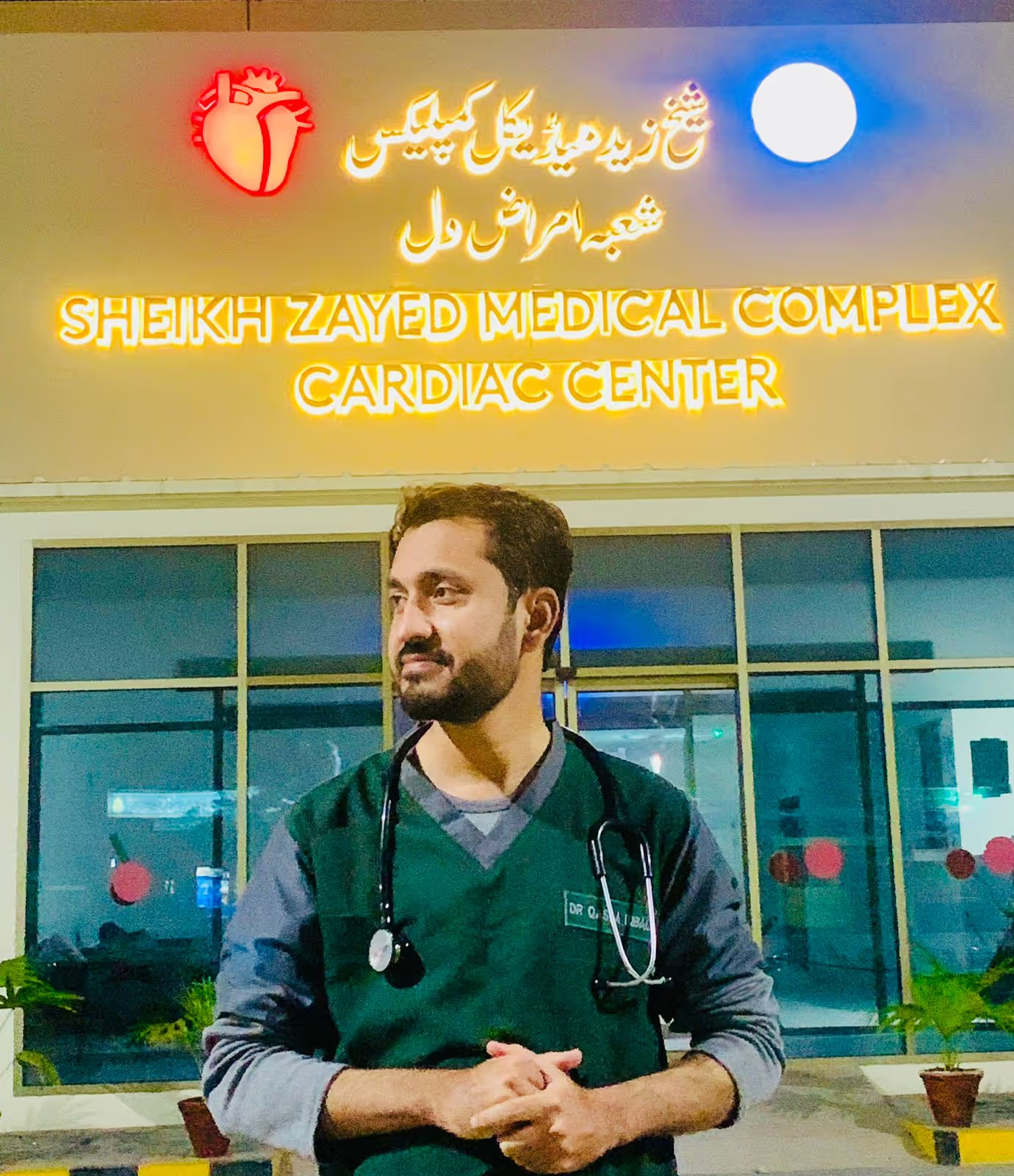
Report Author
Dr. Qasim Iqbal